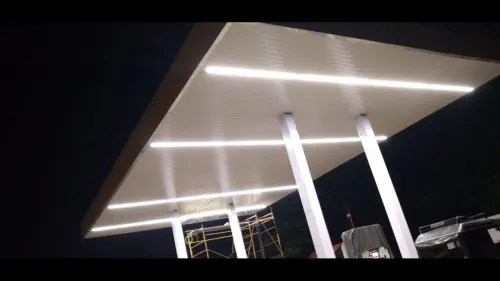
Parking spaces are often treated as secondary areas during building design, yet they contain continuous interaction between vehicles, pedestrians, columns, ramps, entrances, security points. Effective Parking Area Lighting should support visibility throughout these movement zones without creating excessive glare.
For commercial buildings, industrial premises, institutional properties across Pune, Maharashtra, lighting requirements can vary between open parking lots plus covered parking structures.
Identify Movement Routes
Begin by mapping how people plus vehicles move through the parking area.
Important locations include:
- Vehicle entrances
- Exit lanes
- Pedestrian paths
- Staircase access
- Lift lobbies
- Payment points
- Security cabins
- Turning zones
- Ramps
These locations may need greater visual attention than low-activity parking bays.
Columns Can Create Shadow Zones
Basement parking frequently contains structural columns, ducts, pipes, cable trays.
These elements can interrupt light distribution.
A layout that appears uniform on a drawing may perform differently after mechanical services plus signage are installed.
Fixture positioning should therefore consider the complete ceiling environment.
Ramps Need Special Attention
Drivers entering a basement from daylight experience a significant change in brightness.
Visibility along ramps, turns, entry points should be planned carefully.
Fixture placement should help drivers recognise walls, lane markings, pedestrians, approaching vehicles.
Glare near ramp approaches should also be controlled.
Open Parking Has Different Exposure
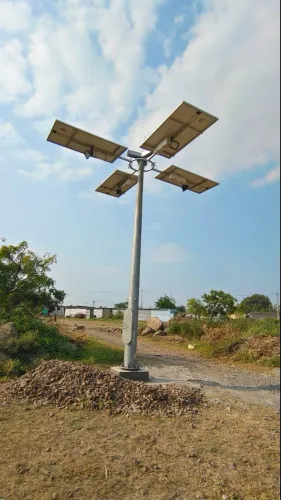
Exterior parking areas face rain, dust, heat, wind, environmental contamination.
Fixtures need construction appropriate for outdoor use.
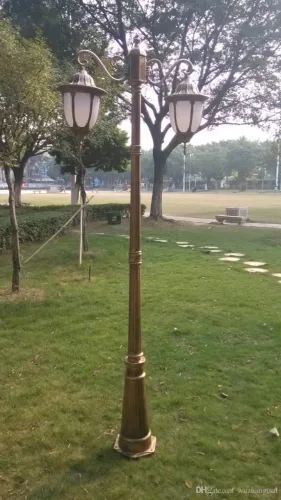
Pole positions should also be coordinated with vehicle circulation so they do not create unnecessary obstacles.
Where trees plus landscaping are present, future growth should be considered because vegetation can eventually obstruct lighting.
Avoid Excessive Brightness
More illumination is not always better.
Very bright fixtures placed within a driver's direct field of view can cause discomfort. Large differences between bright sections plus dark sections can also make visual adaptation difficult.
The goal should be useful, reasonably consistent illumination.
Security Needs Visibility, Not Just Light
Security teams may rely on direct observation plus surveillance systems.
Lighting should support visibility at gates, pedestrian routes, property boundaries, key access points.
Where CCTV forms part of the security system, lighting conditions should be coordinated with camera requirements.
Dark backgrounds, strong glare, uneven illumination can affect visual monitoring.
Controls Can Match Occupancy Patterns
Commercial parking occupancy can change throughout the day.
Some sections may remain unused during off-peak hours.
Suitable zoning plus occupancy-responsive controls can help reduce unnecessary operation where project conditions permit.
However, controls should not leave active circulation routes unexpectedly dark.
Maintenance Access Should Be Planned
Basement fixtures may appear easy to access until ducts, parked vehicles, cable trays block maintenance routes.
Exterior fixtures may require elevated access.
Property managers should consider maintenance during initial layout planning.
A fixture that is inexpensive to purchase can become costly if every replacement requires major access arrangements.
Review the Complete Site
Good Parking Area Lighting depends on more than selecting fixtures from a product catalogue.
A site assessment should consider ceiling height, pole height, parking layout, ramps, columns, pedestrian routes, operating hours, security requirements, environmental exposure.
For properties in Pune, local site conditions plus building use should guide the final specification.
A parking lighting plan works best when users can move through the area comfortably, identify obstacles early, navigate entrances clearly. Thoughtful fixture placement plus practical controls can support these objectives without simply increasing wattage across every section.
Keywords